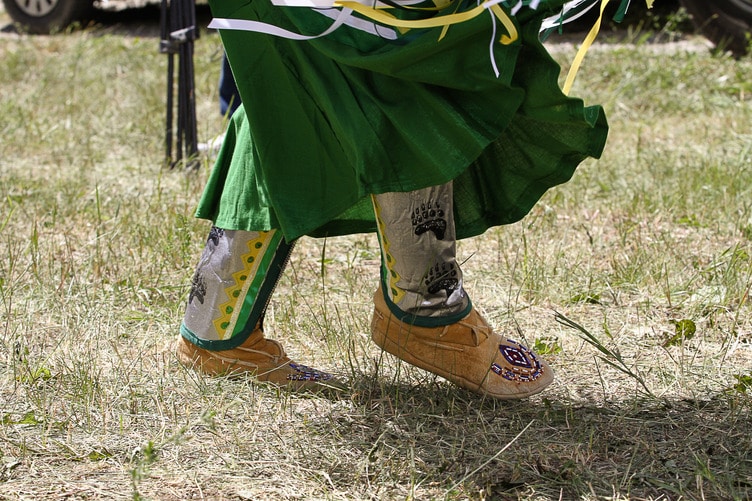
Indigenous Engagement Across Ontario
“Indigenous Engagement Across Ontario” is a project aimed at involving Indigenous Peoples of Canada, living on their traditional territories—often adjacent


The Nature Conservancy of Canada (NCC) is Canada’s leading nature conservation organization. As a private, non-profit organization, it works with individuals, corporations, foundations, Indigenous communities in Canada, other non-profit organizations, and governments at all levels to protect Canada’s most valuable natural treasures – pristine areas that preserve Canada’s wildlife and vegetation. Since 1962, NCC and its partners have protected 15 million hectares of land.
Recognizing the need to engage in environmental protection activities, the Tree and Tomorrow Foundation (TTF) has financially supported projects to purchase valuable natural areas located in the province of Ontario. The forest and wetlands areas located there are crucial for preserving the planet’s biodiversity and slowing down global climate change.
In 2022, a donation from the TTF contributed to the purchase of the Boreal Wildlands area. The coniferous forests, marshes, and peat bogs growing in this area help absorb carbon dioxide from global emissions. In practice, they accumulate the equivalent of CO2 emitted by 3 million cars (over their entire lifespan); they also provide habitat for a wide variety of animals, such as bears, moose, wolves, lynx, caribou and over 300 species of birds. The lack of proper protection could have led to the industrialization of these untouched areas, to the detriment of the Canada and the planet.
In 2023, we provided funding for the purchase of the Hastings Wildlife Junction land. It is over 10,000 hectares of forest and wetlands located south of Bancroft, Ontario. Protecting these areas is of particular importance for the ecosystem, including maintaining water quality for both aquatic organisms and local communities. It is the habitat of many animals such as wolves, black bears, moose, martens and several species of rare birds and turtles. Hastings Wildlife Junction plays a special role in slowing the effects of climate change and counteracting biodiversity loss. The benefits of carbon dioxide absorption in these areas help reduce greenhouse gas levels in the atmosphere.
In 2025, we again allocated funds to the purchase of areas of natural and ecological value, co-financing the purchase of Hay Island – a 1,187-hectare island located on Lake of the Woods in northwestern Ontario, in a region connecting vast natural areas of Canada and the United States (Ontario, Manitoba, and Minnesota). The island is located at the intersection of three ecologically significant ecosystems and includes valuable old-growth forests, rocky shorelines, and wetlands that provide important habitats for mammals (black bears, moose), fish, and migratory birds. Protecting these areas enhances natural carbon sequestration and connects existing protected areas in the Lake of the Woods region, thus supporting the preservation of biodiversity and the resilience of ecosystems to climate change.
Also in 2025, we allocated funds to purchase an additional 20 hectares of valuable Baptist Harbour habitat, located on the Saugeen Peninsula in Ontario. These sites are located within the Cape Hurd–Baptist Harbour Area of Natural and Scientific Interest (ANSI), on the edge of the Barney Lake wetland complex. They also include a section of undeveloped Lake Huron shoreline. Baptist Harbour is an area of exceptional biodiversity – its preserved forests, alvars, and wetlands provide habitat for many rare and endangered plant and animal species, support over 230 bird species, and protect the delicate water systems that filter water flowing into Lake Huron.
Protecting valuable natural areas is one of the most pressing needs and challenges related to the ongoing degradation of the natural environment on a global scale, as well as the resulting loss of biodiversity and accelerating climate change. The Tree and Tomorrow Foundation is proud to be part of these environmental protection efforts.

The aim of the project is to support the Partner – The Nature Conservancy of Canada – in the purchase, maintenance and protection of ecologically valuable forested areas in the province of Ontario.
Baptist Harbour – December 2025 to March 2026.
Hay Island – September 2025 to February 2026.
Boreal Wildlands – July to December 2022.
Hastings Wildlife Junction – April to December 2023.
Protecting Canada’s pristine natural areas, which are crucial for preserving the planet’s biodiversity and slowing global climate change, is important for the entire international community.
2025: 291 303 CAD
2025: 150 359 CAD
2023: 100 000 CAD
2022: 100 000 CAD
Total in 2022-2025: CAD 641 662
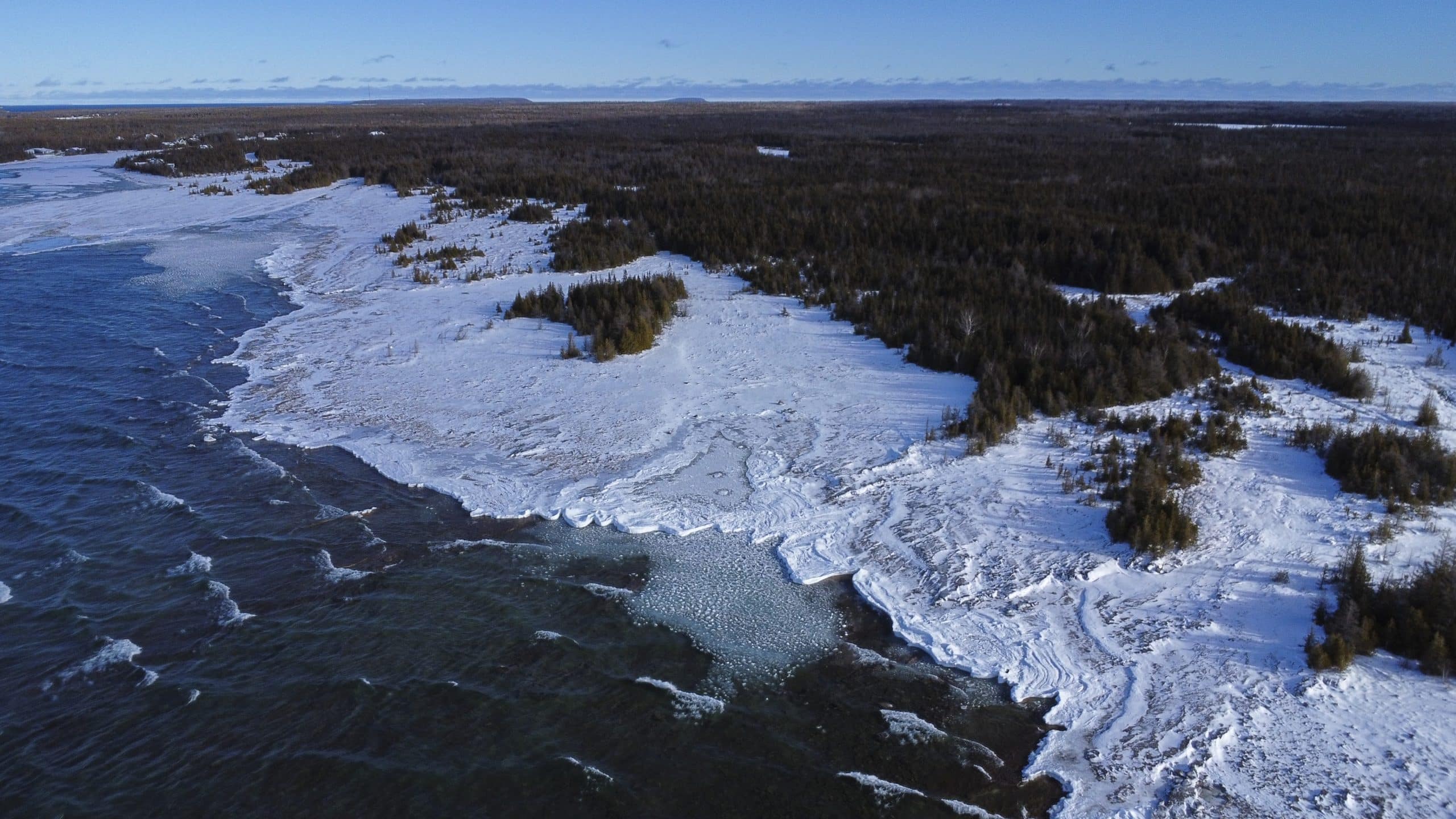
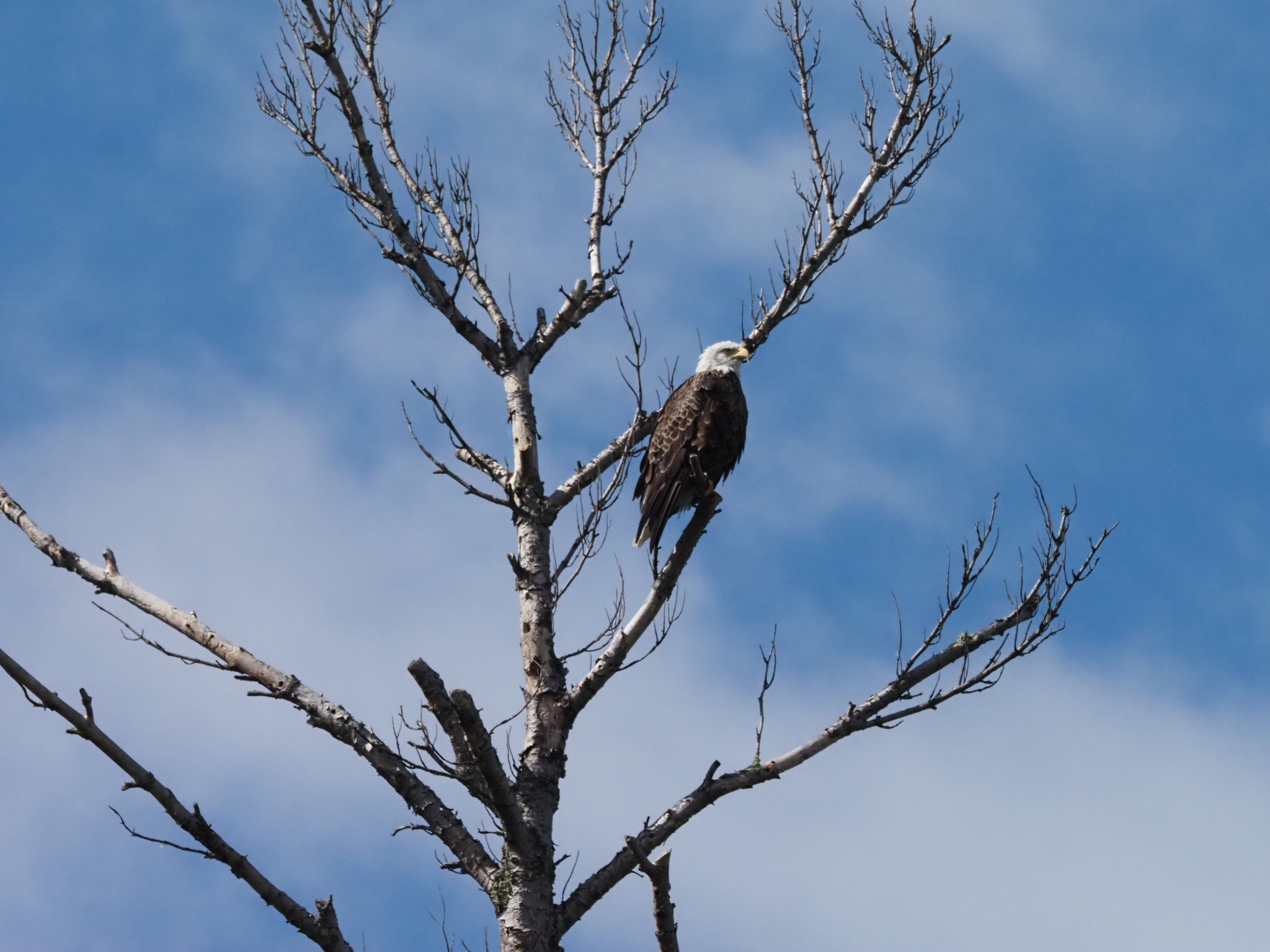
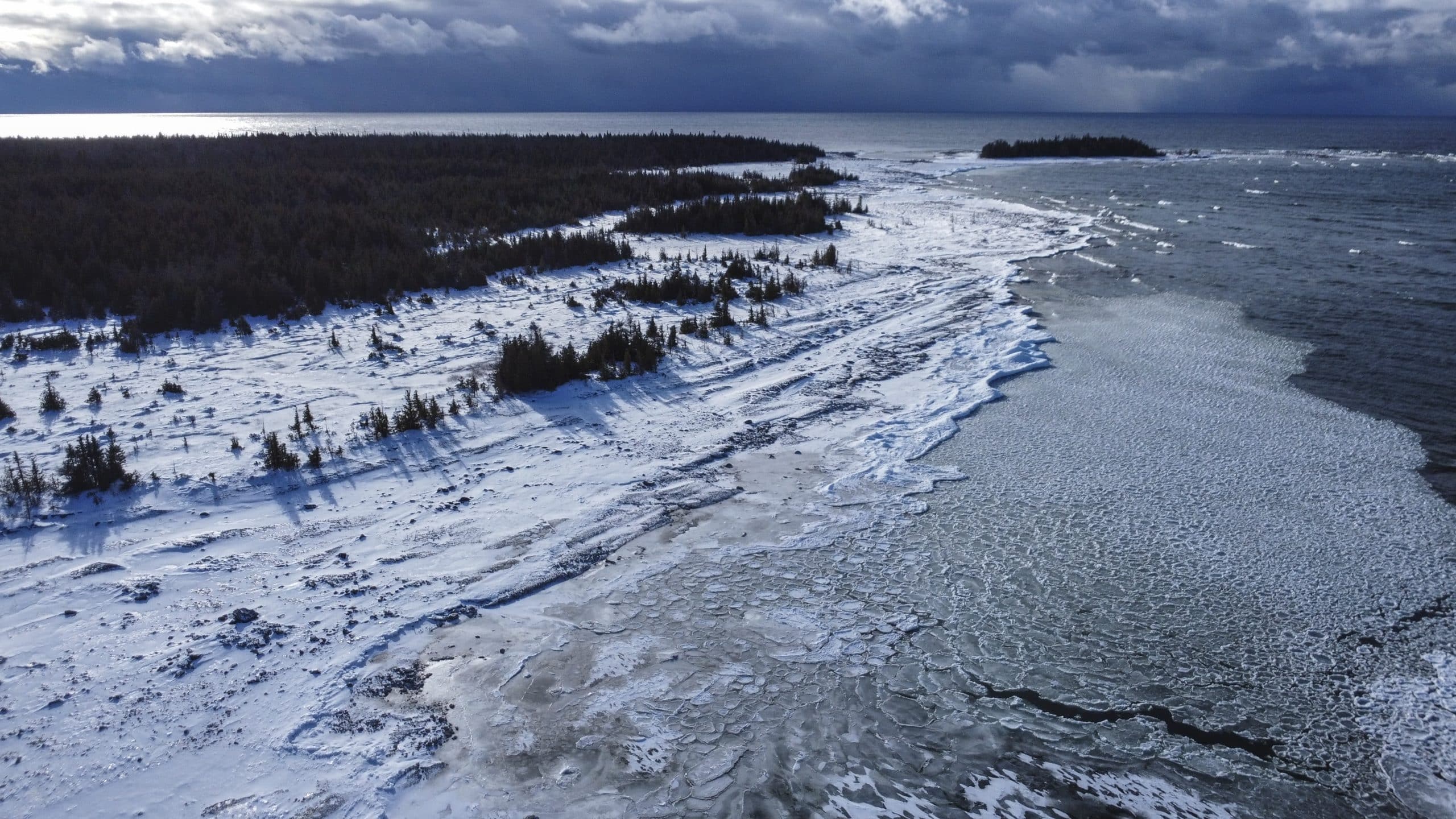
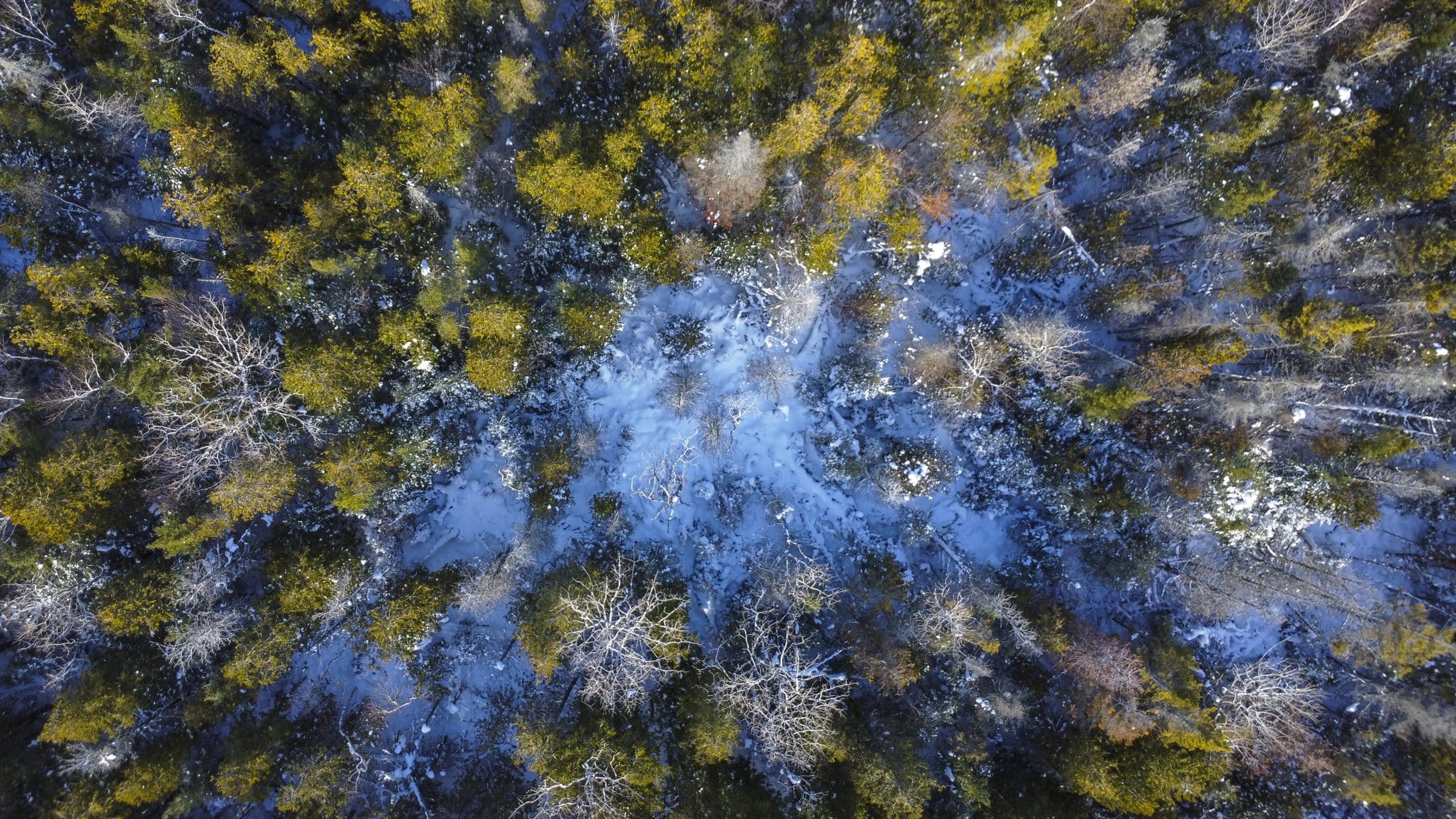
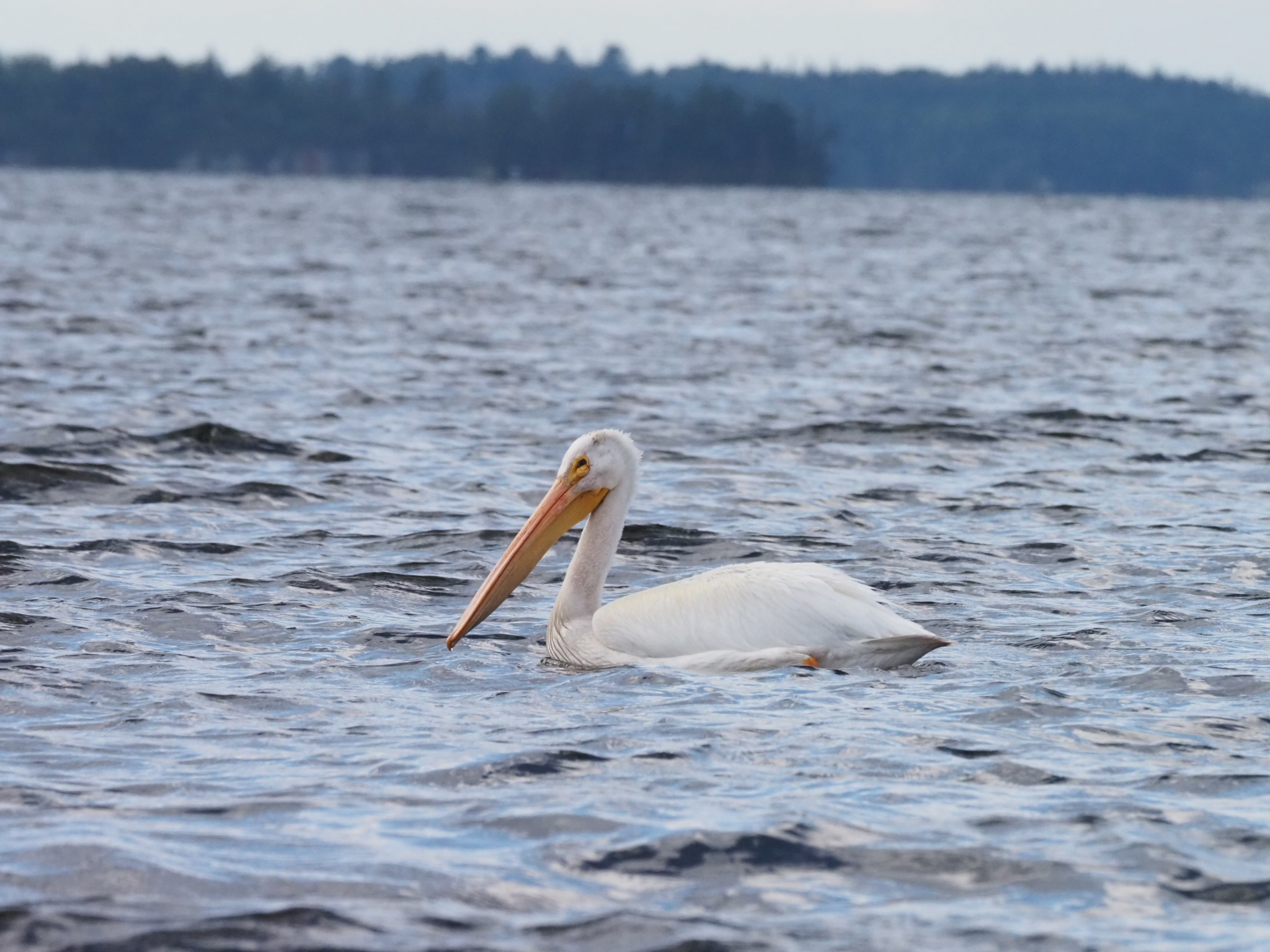
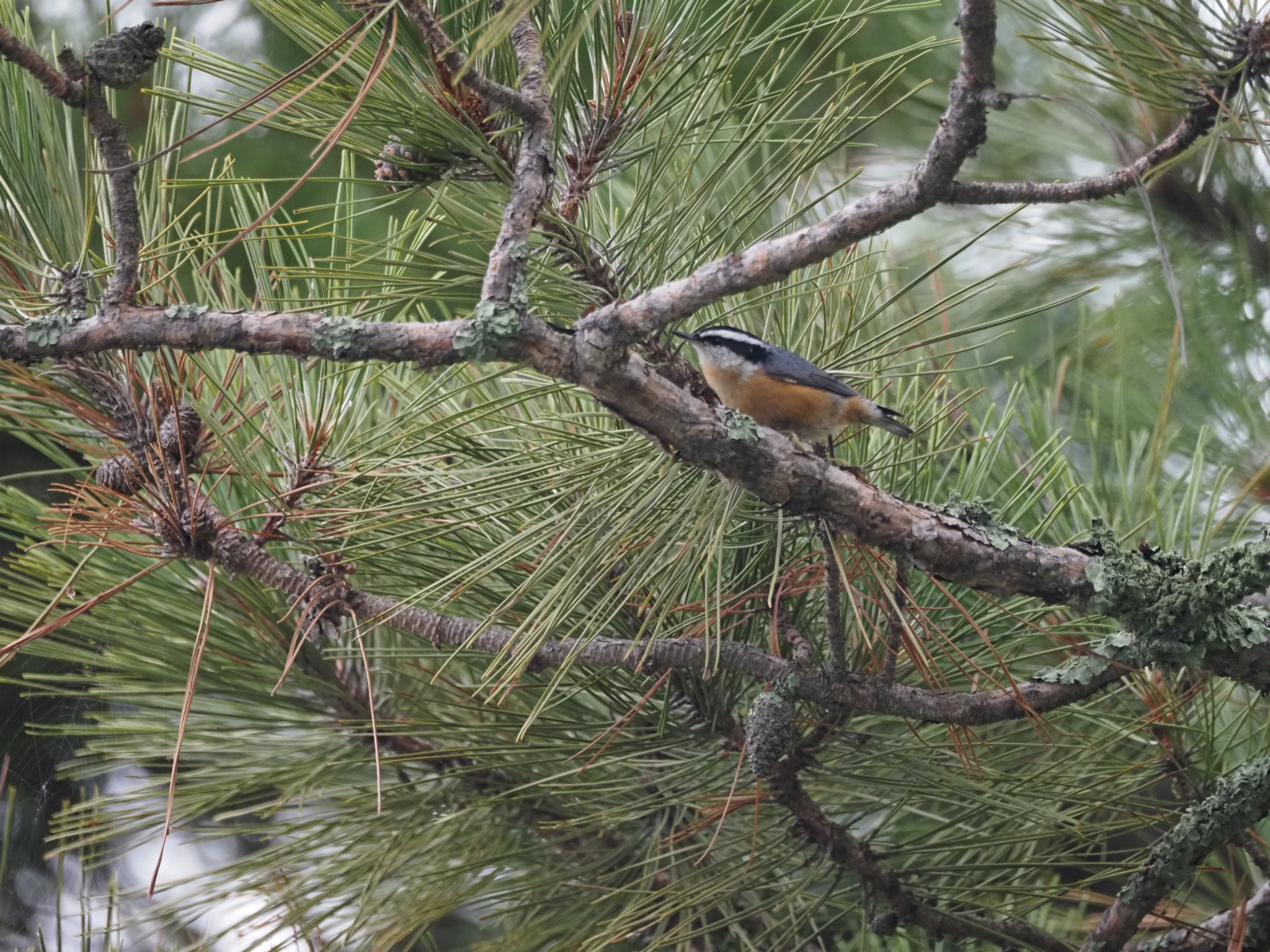
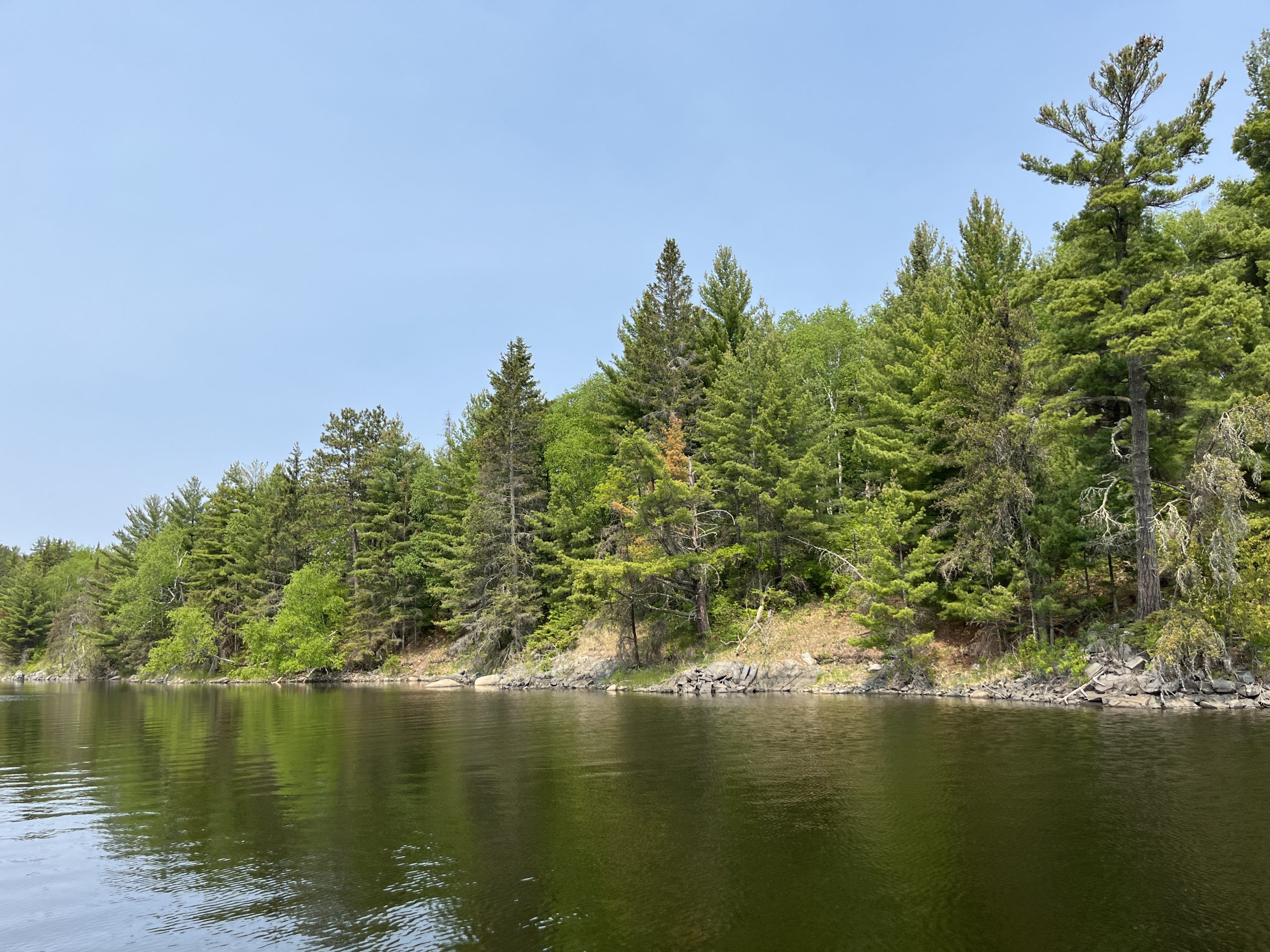
Photographs are the property of NCC


“Indigenous Engagement Across Ontario” is a project aimed at involving Indigenous Peoples of Canada, living on their traditional territories—often adjacent